CONCERT HALLS
A long, enveloping tail
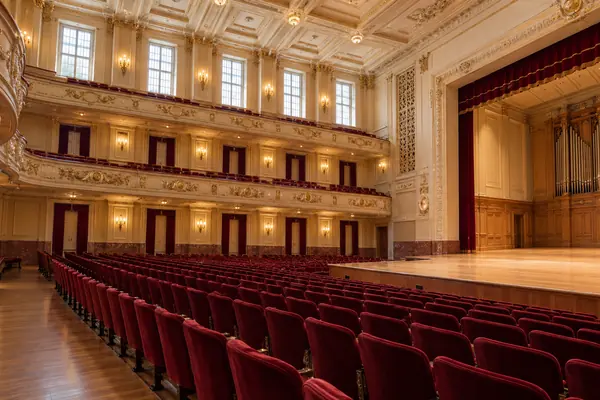
For symphonic music, a reverberation time of about 1.8 to 2.2 seconds helps reflections blend the whole orchestra into one enveloping sound.
Match a hall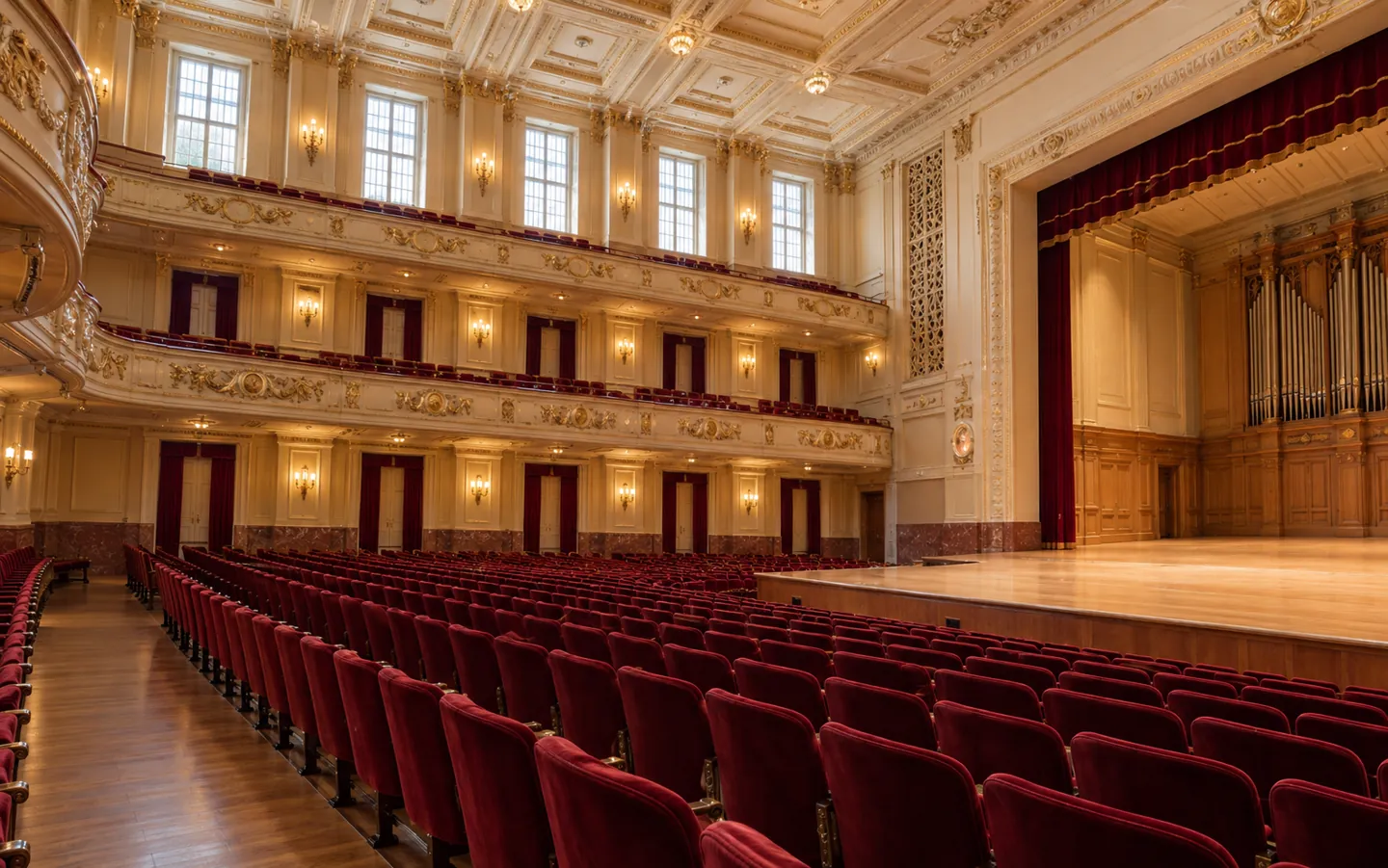
THE SCIENCE OF ROOM SOUND
ABOUT 2 SECONDS for a symphony
AI-generated image, not a photograph of a real person or place.
Clap in a hall and listen to it fade.
That fading tail is reverberation: sound bouncing off walls, ceiling and seats until it dies away. How long it lasts decides whether a hall is good for talking, for an orchestra or for an organ, and acousticians measure it in seconds.
THE SHORT ANSWER
Reverberation time is how long sound takes to fade.
Different uses need different amounts.
CONCERT HALLS
For symphonic music, a reverberation time of about 1.8 to 2.2 seconds helps reflections blend the whole orchestra into one enveloping sound.
Match a hallSCHOOL HALLS
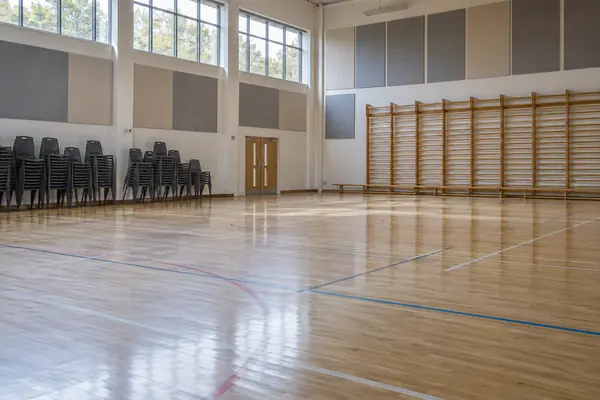
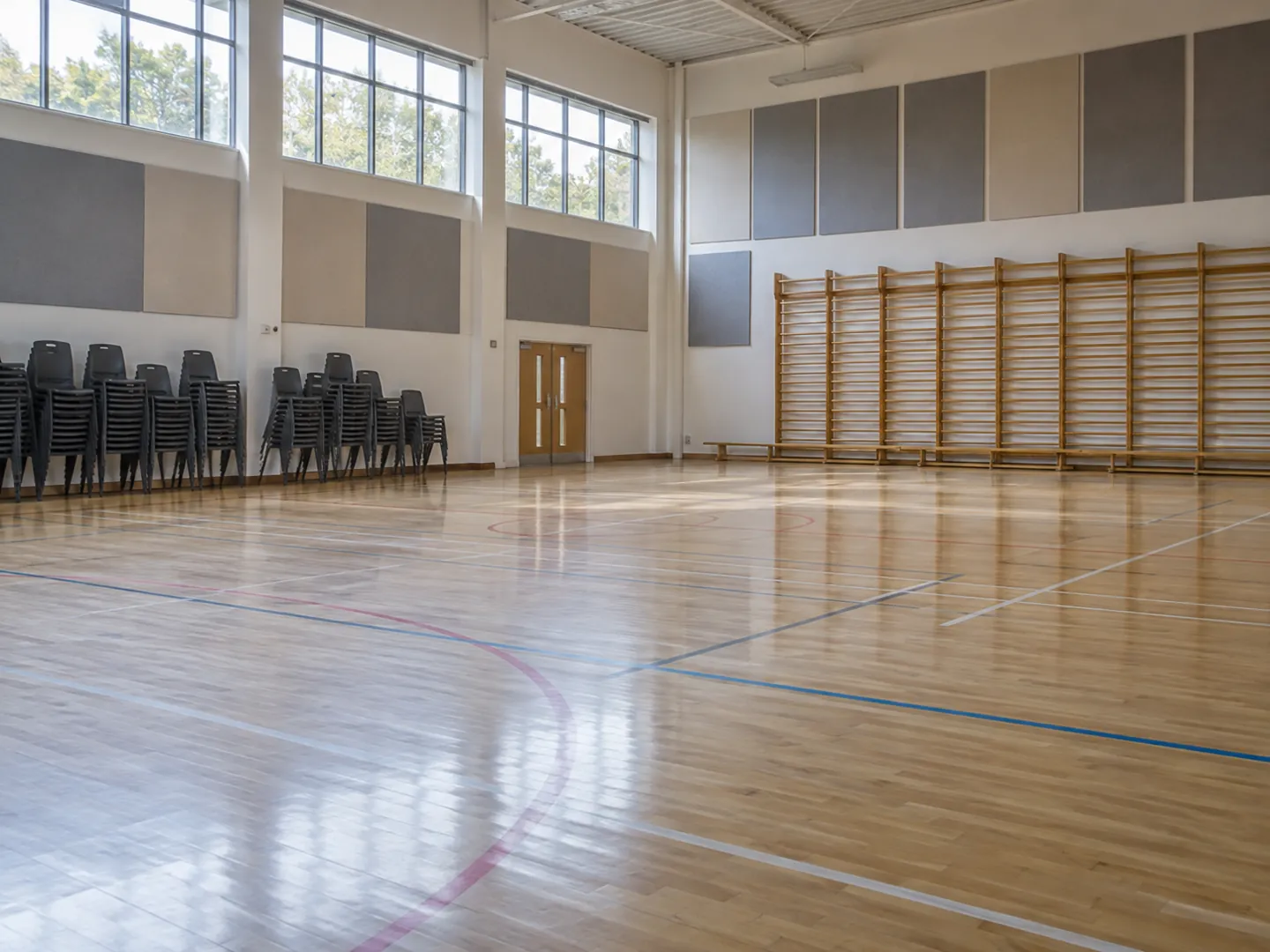
England's school acoustics standard, BB93, sets 0.8 to 1.2 seconds for a new assembly or multi-purpose hall, and 0.6 seconds or less for a new primary classroom.
See the numbersSTONE AND SONG
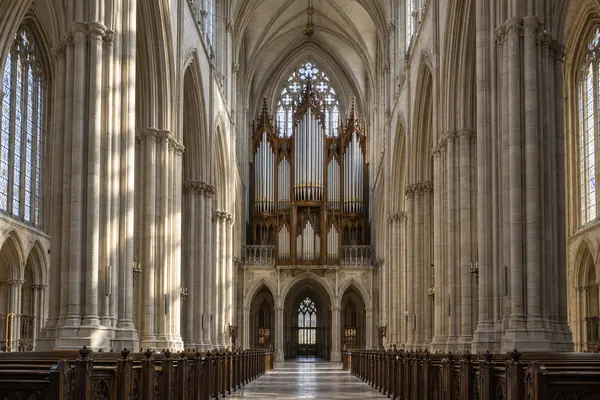
Organ music and plainchant can carry a very long reverberation of about 3 seconds without losing clarity, because the notes and words are long.
What shapes it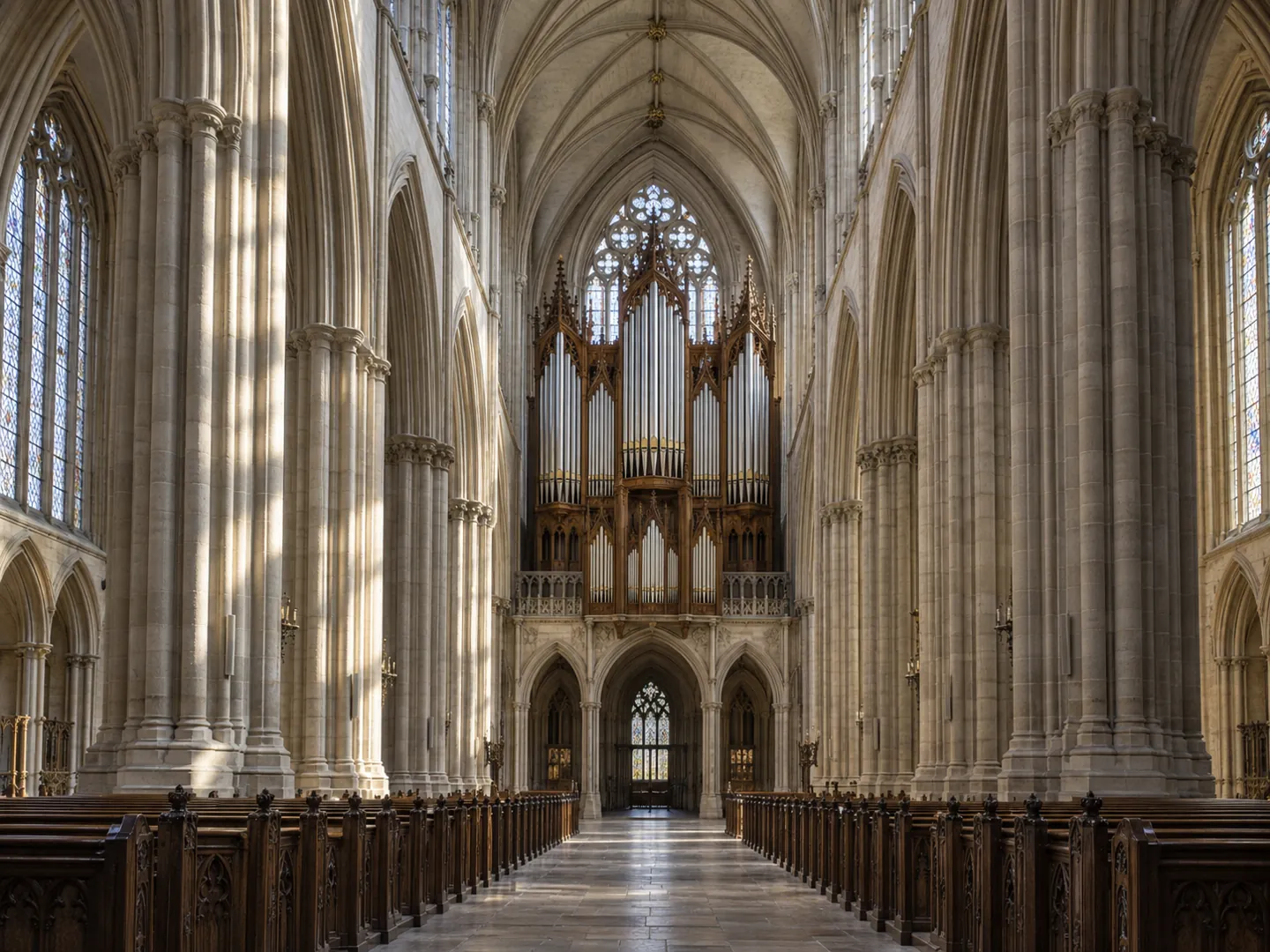
WHAT SHAPES THE SOUND
A formula first proposed in 1898 links reverberation time to just two things: the volume of the room and how much sound its surfaces absorb.
Larger volumes make reflected sound travel further between bounces, which lengthens reverberation.
Drapes, rugs and porous panels absorb sound; they need to be large enough that sound waves do not simply pass round them.
Walls, furnishings and the audience all absorb sound, so a full hall sounds different from an empty one.
Research on shoebox-shaped halls points to strong early reflections arriving from the sides as a key to their admired sound.
TWO NUMBERS WORTH KNOWING
One figure for the great concert hall,
one for the hall at the local school.
1.8–2.2 s
Suggested reverberation time
Based on the views of a wide sample of experts, symphonic music suits a long reverberation time, longer than opera or chamber music at 1 to 1.6 seconds.
SYMPHONIC MUSIC · UNIMORE
0.8–1.2 s
New assembly or multi-purpose hall
England's BB93 standard sets this range for new school halls. A new sports hall over 530 m² may have up to 2 seconds.
SCHOOL HALLS · BB93
Reverberation time is defined as the time it takes sound to fall by 60 decibels, about one million times weaker, after the source stops.
A QUICK HALL MATCH
Pick a use to see the reverberation time acoustics guidance suggests. The bar shows how long the sound tail should be, from short to very long.
Based on a university acoustics course and England's BB93 school standard. Real halls vary with size, seats and audience.
TASTE STILL MATTERS
In a listening study at Aalto University in Finland, 28 assessors compared recordings of six concert halls from three seats with two pieces of music. The acoustics varied from seat to seat and with the music played.
The listeners split into two groups: some preferred clarity over reverberance, while others loved strong, reverberant and wide sound. Even the most admired halls did not please everyone in blind listening.
In conversation
It is the time sound takes to fade by 60 decibels, about a millionfold, after the source stops. It is the main measure acousticians use for how live or dry a room sounds.
For symphonic music, an acoustics course based on expert opinion gives about 1.8 to 2.2 seconds. Opera and chamber music suit 1 to 1.6 seconds, and speech about 1 second.
Hard floors, walls and high ceilings reflect sound. England's BB93 standard limits a new assembly or multi-purpose hall to a reverberation time of 0.8 to 1.2 seconds.
Yes. Reverberation depends on how much sound the walls, furnishings and audience absorb, so a full hall can sound different from an empty one.
Researchers measuring shoebox halls found they deliver strong reflections from the side walls very early, which acousticians link to their full, enveloping sound.
Each figure on this page comes from the sources below.
ABOUT THIS NAME
doodlehall.com is part of the DoodleSale portfolio. It isn't in an auction right now, but you can ask about leasing it.